






Key differences

This pyramid diagram illustrates the communication scope of Single Pair Ethernet (SPE) versus Standard Ethernet across various system levels.
This infographic compares Standard Ethernet and Single Pair Ethernet (SPE) in terms of wiring, power delivery, and communication reach. Standard Ethernet typically uses 8 wires for Gigabit connections and 4 wires for Fast Ethernet, delivering power through Power over Ethernet (PoE). In contrast, Single Pair Ethernet uses just 2 wires and delivers power via Power over Data Line (PoDL). The diagram features an automation pyramid representing key system levels: ERP – Enterprise-level functions like product development and corporate management. MES – Manufacturing Execution Systems for production management and monitoring. SCADA – Supervisory Control and Data Acquisition for operations and data transfer. SPS – Programmable logic controls and drive systems. Field Level – Sensors, instruments, and field devices. SPE is shown to extend Ethernet communication all the way to the field level (indicated by a green checkmark), while Standard Ethernet stops at higher levels in the system (marked with a red X), highlighting SPE’s advantage in full-stack connectivity.

Core advantages

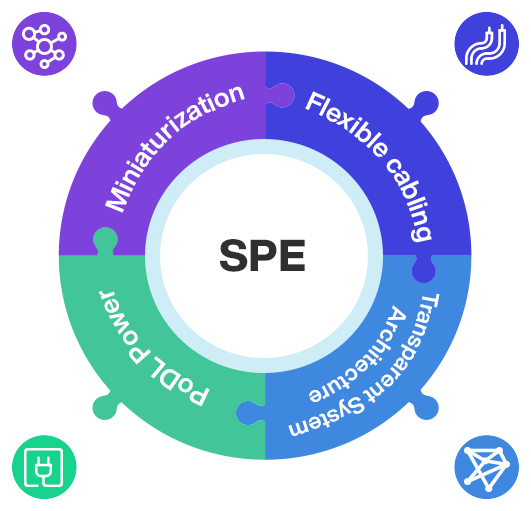
A circular graphic featuring SPE at the center, with its main advantages displayed around the perimeter.
This circular graphic highlights the key advantages of Single Pair Ethernet (SPE), with SPE at the center and four benefits positioned around it: 1. Miniaturization – SPE uses smaller connectors and thinner cables, helping to save space and reduce overall weight in system designs. 2. Power over Data Line (PoDL) – Delivers up to 50 watts of power to connected devices using a single twisted pair for both data transmission and power supply. 3. Flexible Cabling – SPE operates over just two wires, supporting longer cable runs at lower bandwidths, ideal for space-constrained or remote applications. 4. Transparent System Architecture – Enables seamless, end-to-end Ethernet communication from the cloud down to the individual node, supporting real-time data transfer and system visibility.
A circular graphic featuring SPE at the center, with its main advantages displayed around the perimeter.
Miniaturization
  • Using miniature connectors
  • Thinner cables to reduce space and weight
PoDL power
  • Delivers up to 50W of power to end devices
  • One twist cable for communication and power supply
Flexible cabling
  • Ethernet transmission with only two wires
  • Longer communication distance with low bandwidth
Transparent system architecture
  • End-to-end communication from cloud to node
  • Real-time information acquisition and data exchange

Core applications

The infographic displays four key application areas for Single Pair Ethernet (SPE), each represented by an image and a descriptive label:

llustrated by an automated factory floor with conveyor systems, robotic arms, and machinery operating without direct human intervention.
Factory automation
Depicted by a worker using a tablet to control a robotic arm in an industrial setting, showcasing human-robot collaboration
Industrial robotics
Shown with an office building equipped with smart lighting and climate control systems, highlighting energy efficiency and intelligent infrastructure.
Building automation
Visualized with rows of network servers and cables inside a data center or server room, representing backbone connectivity and system management.
Network equipment

Featured manufacturers

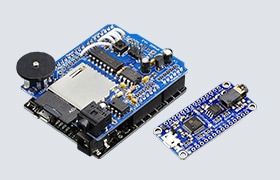
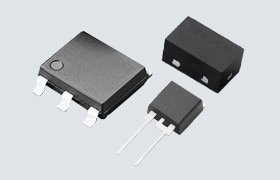
Ethernet transceiver control
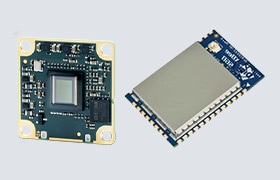
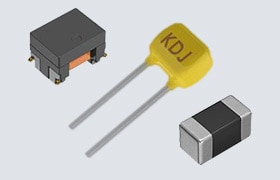
Interference suppression
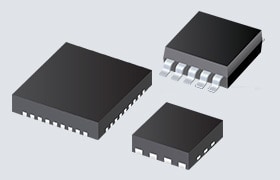
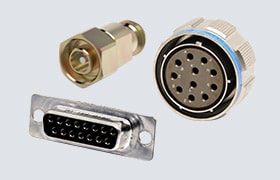
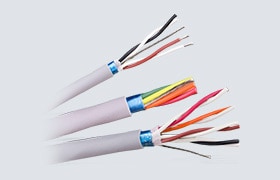
Connectors, cable assemblies