




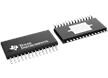
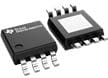
DLPA2000DYFFR

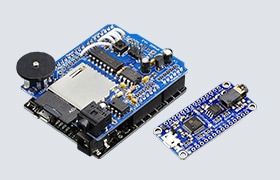
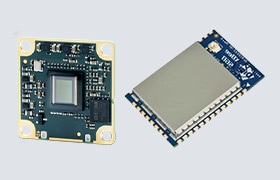
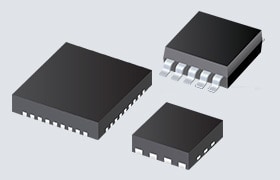
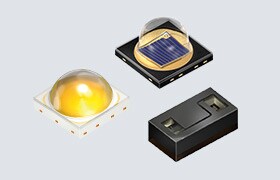
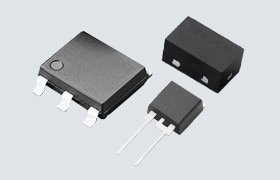
Images are for reference only
See Product Specifications
See Product Specifications
595-DLPA2000DYFFR
DLPA2000DYFFR
Mfr.:
Description:
LED Lighting Driver ICs PMIC/LED Driver for DLP2010
LED Lighting Driver ICs PMIC/LED Driver for DLP2010
Datasheet:
Datasheet
Application Notes
- DLP System Design: Brightness Requirements and Tradeoffs (Rev. B)
- DLP Technology for Near Eye Display (NED) (Rev. A)
- DLPC34xx General System Design Guide Application Note (Rev. A)
- Getting Started with TI DLP Display Technology (Rev. E)
- Getting Started with TI DLP® Display Technology (Rev. D)
- PCB Design Requirements for TI DLP Pico TRP Digital Micromirror Devices
- TI DLP® IntelliBright™ Algorithms for the DLPC343x Controller
Images
Models
Compliance Codes
- TARIC:
- 8542399000
- CNHTS:
- 8542319000
- CAHTS:
- 8542390000
- USHTS:
- 8542390090
- JPHTS:
- 854239099
- MXHTS:
- 8542399901
- ECCN:
- EAR99
Origin Classifications
- Country of Origin:
- Philippines
- Assembly Country of Origin:
- Not available
- Country of Diffusion:
- Not available




Availability
-
Stock:
-
Non-StockedAn unexpected error occurred. Please try again later.
-
Factory Lead Time:
-
26 Weeks Estimated factory production time.
Long lead time reported on this product.
Pricing (DKK)
| Qty. | Unit Price |
Ext. Price
|
|---|---|---|
| Cut Tape / MouseReel™ † | ||
| 55,43 kr. | 55,43 kr. | |
| 42,82 kr. | 428,20 kr. | |
| 39,69 kr. | 992,25 kr. | |
| 36,26 kr. | 3.626,00 kr. | |
| 34,39 kr. | 8.597,50 kr. | |
| 33,50 kr. | 16.750,00 kr. | |
| 32,90 kr. | 32.900,00 kr. | |
| Full Reel (Order in multiples of 3000) | ||
| 30,88 kr. | 92.640,00 kr. | |
† A MouseReel™ fee of 47,00 kr. will be added and calculated in your basket. All MouseReel™ orders are non-cancellable and non-returnable.
↩