





SN74HCS72QDRQ1

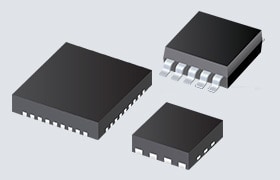
Images are for reference only
See Product Specifications
See Product Specifications
595-SN74HCS72QDRQ1
SN74HCS72QDRQ1
Mfr.:
Description:
Flip-Flops Automotive Schmitt-t rigger input dual D
Flip-Flops Automotive Schmitt-t rigger input dual D
Datasheet:
In Stock: 2.209
-
Stock:
-
2.209 Can Dispatch ImmediatelyAn unexpected error occurred. Please try again later.
-
Factory Lead Time:
-
6 Weeks Estimated factory production time for quantities greater than shown.
Pricing (DKK)
| Qty. | Unit Price |
Ext. Price
|
|---|---|---|
| Cut Tape / MouseReel™ † | ||
| 3,33 kr. | 3,33 kr. | |
| 2,36 kr. | 23,60 kr. | |
| 2,10 kr. | 52,50 kr. | |
| 1,83 kr. | 183,00 kr. | |
| 1,70 kr. | 425,00 kr. | |
| 1,63 kr. | 815,00 kr. | |
| 1,55 kr. | 1.550,00 kr. | |
| Full Reel (Order in multiples of 2500) | ||
| 1,45 kr. | 3.625,00 kr. | |
| 1,41 kr. | 10.575,00 kr. | |
† A MouseReel™ fee of 47,00 kr. will be added and calculated in your basket. All MouseReel™ orders are non-cancellable and non-returnable.
↩
- TARIC:
- 8542319000
- CNHTS:
- 8542399000
- USHTS:
- 8542390090
- ECCN:
- EAR99


